
How to Choose Portrait Outfits That Feel Like You
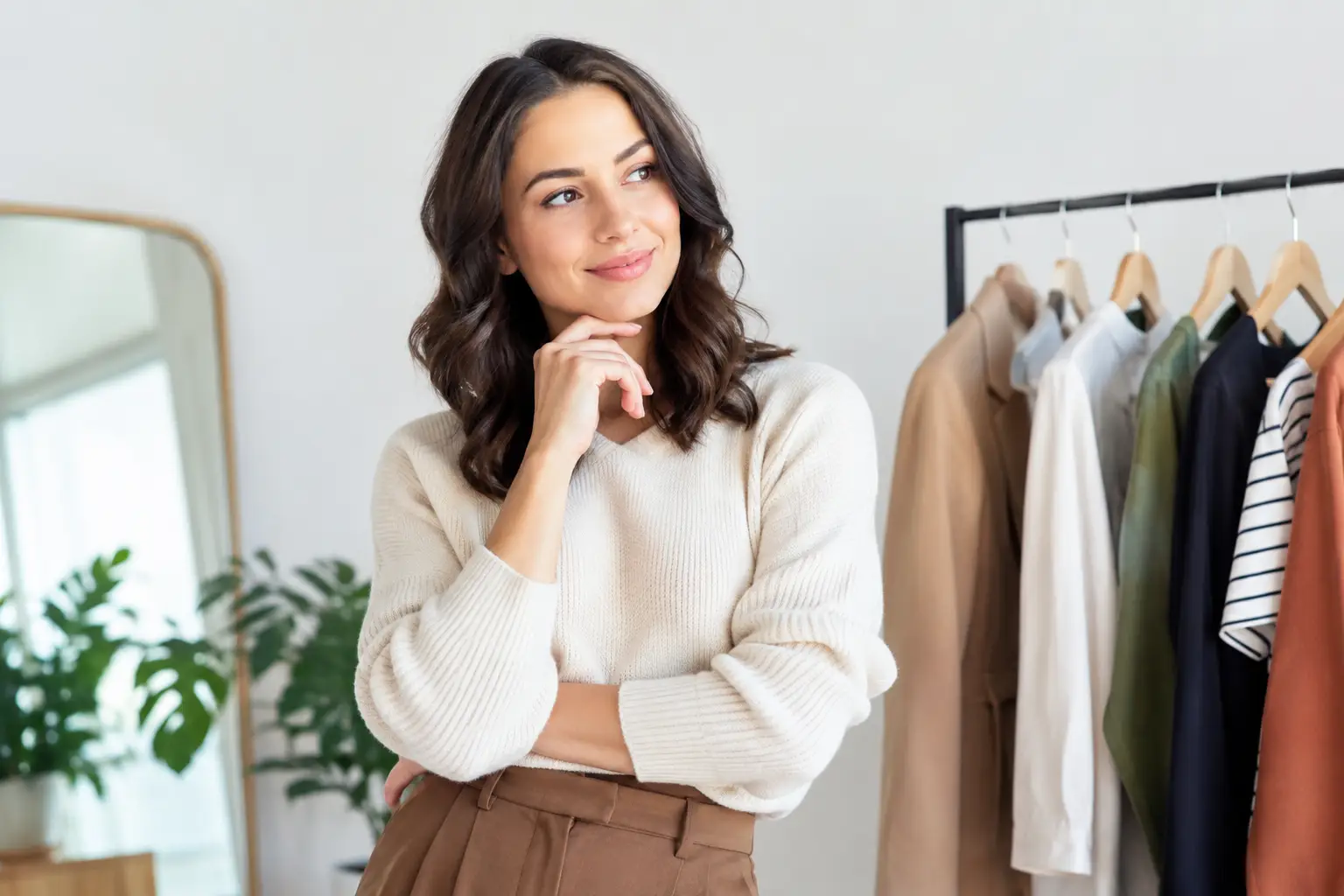
The right portrait outfit does not need to make you look like someone else. It should make you stand a little taller when you see yourself in the mirror. If you are wondering how to choose portrait outfits, begin with one question: What part of myself am I ready to celebrate? Your answer might be your sensuality, your strength, your growing family, your hard-won confidence, or the woman you have become after a season of change.
A beautiful portrait is never just about the dress, blazer, or lingerie set. It is about how you feel inside it. The most flattering choice is usually not the trendiest one. It is the one that lets you breathe, move, and be fully present while showing the world the version of you that deserves to be seen.
How to Choose Portrait Outfits With Confidence
Start with the purpose of your session. A polished headshot calls for a different kind of presence than a birthday glamour portrait or a boudoir experience. For professional portraits, think about the authority and warmth you want clients, employers, or colleagues to feel. A structured blazer, a refined blouse, or a sophisticated dress in a solid color can communicate confidence without feeling stiff.
For glamour, maternity, or milestone portraits, give yourself permission to be more expressive. A flowing gown can create movement and drama. A fitted dress can honor your curves. An open button-down, bodysuit, or elegant lingerie set can feel sensual without needing to reveal more than feels right for you. There is no single definition of beautiful, and your wardrobe should never force one on you.
Boudoir outfits deserve the same thoughtfulness. Some women feel their most magnetic in black lace, while others come alive in an oversized sweater, a silk robe, a favorite concert tee, or nothing more than a white sheet. The best option is the one that makes you feel like you are choosing the experience for yourself, not performing for anyone else.
Choose a feeling before choosing a color
Words are more useful than a Pinterest board at the beginning. Choose three that describe how you want your finished portraits to feel: powerful, soft, bold, radiant, feminine, playful, elegant, sensual, grounded. These words become your filter when you stand in front of an open closet.
A sharp white suit may feel powerful and modern. A jewel-toned wrap dress can feel romantic and rich. A simple black bodysuit may create a striking, editorial mood. If an outfit is beautiful but does not match the feeling you want to remember, leave it behind.
This approach also takes pressure off the idea of finding one perfect look. Most portrait sessions benefit from two or three outfits with different energy. You might begin in a tailored dress that feels polished, move into something flowing and feminine, then finish in a more intimate boudoir look. The images will feel varied, but the story will still feel cohesive because every piece reflects you.
Dress for Your Shape, Not for a Rulebook
You do not need to hide your body to be photographed beautifully. You need clothing with intention. Fabric, fit, and proportion matter more than a clothing size or an outdated rule about what women “should” wear.
Choose pieces that define an area you love. That could mean a wrap waist, an off-the-shoulder neckline, a high-waisted bottom, a dress that skims your hips, or a blazer that creates a strong shoulder line. If you prefer more coverage around your arms, a sleeve with movement, a soft wrap, or a structured jacket can feel elegant while still giving you shape.
Pay attention to fit at the bust, waist, and hips. Clothing that pulls, gaps, slides down, or needs constant adjustment will show up in your body language. You want to be directed into beautiful poses, not distracted by a strap that will not stay put. If you love an item but it is almost right, simple tailoring can turn it into a portrait-worthy piece.
Comfort matters, but comfort does not have to mean invisible. A fitted outfit may feel unfamiliar if you normally live in loose layers, and that is okay. Wear it around the house for a few minutes. Sit, stand, raise your arms, and look at yourself from several angles. The goal is not to convince yourself to tolerate it. The goal is to find a look that feels exciting and secure at the same time.
Let Color and Texture Do Some of the Work
Solid colors photograph beautifully because they keep the focus on your face, expression, and shape. Deep jewel tones such as emerald, sapphire, burgundy, and plum can look luminous and luxurious. Cream, ivory, soft blush, and warm neutrals can create a gentler, timeless mood. Black is always a confident choice for drama, structure, and sensuality.
The right color depends on your skin tone, your personal style, and the mood of the session. If you light up in bright red, do not choose beige simply because someone said neutrals are safer. If you never wear bold color, a richly textured navy or chocolate brown may give you depth without making you feel overdone.
Texture brings dimension to portraits. Consider silk, satin, lace, velvet, cashmere, ribbed knits, or a beautifully draped fabric. These details catch light and add visual interest, especially in close-up images. A small print can work, but large logos, busy patterns, and heavily branded clothing often compete with your face. When in doubt, choose cleaner lines and let your expression be the statement.
Bring options, then edit with intention
Lay every possible outfit on the bed a few days before your session. Include shoes, undergarments, jewelry, and any layers you may want. Photograph the options in natural window light, then look at the image rather than only judging them in the mirror. This often reveals whether a color photographs as expected or whether an accessory feels distracting.
Bring a few more options than you expect to wear, but do not bring your entire closet. Three strong looks are more useful than ten uncertain ones. Aim for variety in silhouette and mood, such as one polished look, one soft or flowing look, and one that feels unapologetically bold.
Undergarments are part of the outfit, even when they are not meant to be seen. Nude, smooth options are helpful beneath light clothing. A well-fitting bra, shapewear you can comfortably breathe in, or fashion tape can make you feel more supported. For boudoir, do not underestimate the power of a matching set, a robe, stockings, or a meaningful piece of jewelry. The details help create a complete feeling.
Consider the Portraits You Want to Keep
Portrait outfits should serve the finished artwork, not only the moment of getting dressed. Think about where you might display your portraits and how you want to feel every time you see them. An elegant black gown may become a powerful statement piece in a folio box. A soft maternity dress can become part of your family’s visual legacy. A crisp headshot may carry your confidence into every professional introduction.
That does not mean every choice must be conservative or neutral. It means choosing looks you will still recognize as yours years from now. Trends can be fun, particularly for a birthday or glamour session, but timeless pieces give your portraits staying power. Often, the strongest wardrobe plan includes both: one classic look and one that captures this exact chapter of your life.
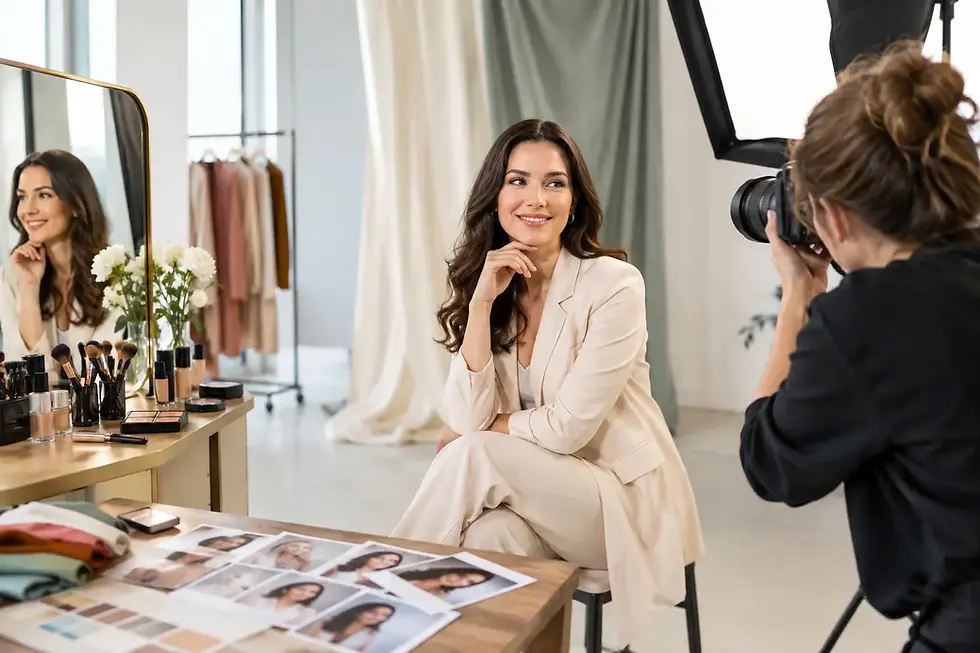
At Studio 121 Boutique, wardrobe guidance is part of creating a luxury experience that feels personal rather than prescriptive. You do not have to arrive knowing exactly how to pose, what colors photograph best, or whether you are “photogenic.” Experienced direction, professional beauty services, and a supportive space exist so you can relax into the experience.
Give Yourself Permission to Be Seen
Many women wait to book portraits until they lose weight, find the right occasion, or feel more confident. But confidence is not always the entry requirement. Sometimes it is what grows when you allow yourself to step into the frame.
Choose the outfit that honors the woman standing here now. Steam it, try it on, and let it be a small act of preparation for something bigger: seeing your beauty, power, and story with fresh eyes. You are not dressing for a test. You are dressing for a portrait that can remind you, long after the day is over, that you were always worthy of taking up space.


Comments